
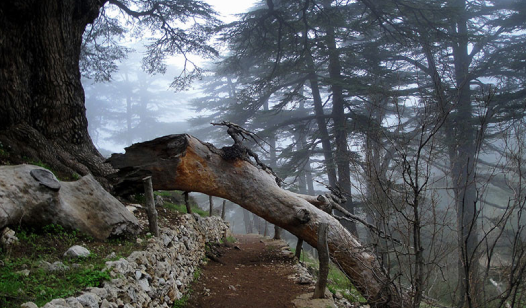
🌍 A Living Piece of History
High in the mountains of northern Lebanon lies one of the world’s most legendary forests: the Cedars of God, also known locally as Arz al-Rab. These majestic trees are among the last remnants of the vast cedar forests that once covered the mountains of the Eastern Mediterranean.
For thousands of years, the cedar of Lebanon has stood as a symbol of strength, resilience, and eternity.
📜 A Tree Written Into History
The Cedars of God are not just trees—they are witnesses to civilization itself. Ancient Egyptians used cedar wood to build ships and temples. Kings of Mesopotamia and Phoenician traders prized its durability and fragrance. Even biblical texts reference the cedar as a sacred and noble tree.
These forests were once so abundant that ancient empires relied on them for construction and trade.
🏔️ Where Nature Meets the Sacred
Located near the town of Bcharre, the Cedars of God sit at an altitude of over 2,000 meters. The harsh mountain climate has helped preserve these ancient trees, some of which are believed to be over 1,000 years old.
Snow in winter transforms the forest into a silent white cathedral, while summer reveals deep green canopies and fresh mountain air.
🛡️ A Protected Heritage
Today, the Cedars of God are a UNESCO World Heritage Site. Strict conservation efforts are in place to protect the remaining trees from climate change, disease, and human impact.
While the forest is much smaller than in ancient times, it remains one of Lebanon’s most powerful national symbols—featured on the Lebanese flag as a sign of endurance and peace.
✨ Why It Still Matters Today
The Cedars of God are more than a tourist destination. They represent:
- 🌿 Environmental heritage
- 🏛️ Ancient human history
- 🇱🇧 National identity
- 🌎 Global ecological importance
Standing among these trees feels like stepping into a living monument—where nature and history merge.
The Cedars of God are not just surviving—they are silently telling the story of Lebanon’s past, present, and future. Protecting them means preserving a legacy that belongs to the entire world.